




Raw Food Recalls: Why Does Raw Dog Food Get Recalled and How To Avoid Unsafe Raw Diets
Table of Contents
The benefits of moving a dog away from ultra-processed kibble toward a fresh, whole-food diet are undeniable. Many pet parents have seen firsthand how a raw diet supports all life stages, from the rapid growth of puppies to the preservation of joint health in senior dogs. However, the mention of raw feeding often brings up concerns about raw food recalls.
If you follow pet industry news, you have likely seen headlines regarding the presence of pathogens in raw pet products. These reports can be alarming, but they don't tell the whole story. Recalls happen for a variety of reasons, ranging from sourcing issues to manufacturing errors. For the responsible pet parent, the goal is to understand the risks and learn how to avoid unsafe raw diets without sacrificing the massive health benefits of raw feeding.
This guide explores the history of raw food recalls, why they happen, and how you can choose a provider that prioritizes safety as much as nutrition.
Why Does Raw Dog Food Get Recalled?
To understand the risks, we first have to answer the question: why does raw dog food get recalled? Unlike traditional kibble, which is cooked at high temperatures that kill most bacteria, raw food relies on different methods for safety. When those methods fail or are nonexistent, recalls are the result.
Pathogen Contamination
The most common reason for a recall in the raw pet food space is the detection of pathogens like Salmonella, Listeria monocytogenes, or E. coli. These bacteria are naturally present in raw animal products.
While many dogs can handle a certain level of bacterial load due to their highly acidic stomach environment, these pathogens pose a significant risk to the humans in the household who handle the food. If a company does not have a validated way to reduce these bacteria, any contaminated batch must be pulled from the market.
Sourcing and Manufacturing Hygiene
Raw food is only as safe as the facility where it is produced. Cross-contamination can occur if a manufacturing plant handles multiple types of meat without rigorous sanitation between runs.
Additionally, sourcing meat from suppliers that do not follow human-grade safety standards increases the likelihood of high bacterial counts.
The Problem With Simple Freezing
A common misconception is that freezing meat kills bacteria. While freezing stops bacteria from multiplying, it does not actually kill them. Once the meat thaws, the pathogens can become active again. This is why brands that rely solely on freezing as their safety measure are much more susceptible to raw food recalls.
How to Avoid Unsafe Raw Diets
Knowing that not all raw food is created equal, the next step is learning how to avoid unsafe raw diets. You should look for specific safety protocols and transparency from any brand you consider.
Look for High-Pressure Processing (HPP)
The single most important safety feature to look for in a raw food provider is high-pressure processing (HPP). This is a form of cold pasteurized or cold-pressure pasteurized safety.
Instead of using heat, which destroys vital enzymes and nutrients, HPP uses extreme water pressure to inactivate pathogens. This process ensures the food is as safe as gently cooked alternatives while remaining 100% raw.
Verify Formulation Expertise
A safe diet must also be a balanced diet. Nutritional deficiencies are a different kind of safety risk. Always choose a brand whose recipes are formulated by a PhD animal nutritionist.
This ensures the food is not just free of bacteria, but also provides the precise ratios of vitamins and minerals required for long-term health.
Check the Track Record
Transparency is key. Investigate a company’s history. Have they had frequent recalls? Do they hide their safety processes? A reputable brand will be open about their testing protocols and their commitment to a pathogen-free product.
The We Feed Raw Commitment to Safety
At We Feed Raw, safety is not an afterthought; it is built into every step of our process. We are proud of our industry-leading track record and our commitment to providing a product that pet parents can trust implicitly.
A History of Safety
We Feed Raw has never had to issue a recall due to pathogen contamination. This is not by accident.
While other brands have struggled with Salmonella and Listeria headlines, our use of cold-pressurized pasteurization technology has enabled us to maintain a clean safety record. We believe pet parents shouldn't have to choose between their dog's health and the safety of their home.
Inactivating Pathogens with HPP
We use high-pressure processing (HPP) on all our frozen and freeze-dried recipes. This scientifically validated step allows us to inactivate pathogens such as Salmonella, E. coli, and Listeria.
By using pressure instead of heat, we protect the fragile amino acids and enzymes that make raw food so beneficial while providing a safety level that is as safe as gently cooked meals.
Professional Oversight
Every recipe we offer is formulated by a highly experienced PhD animal nutritionist with over 30 years of experience. This ensures that every meal is nutritionally complete, raw food that meets AAFCO standards for all life stages (our frozen raw recipes) or adult dogs only (our freeze-dried recipes).
We take care of the science and the safety so you can focus on the results.
Practical Handling Tips for Raw Feeders
Even with the safest food on the market, proper handling at home is a vital part of how to avoid unsafe raw diets. Treating raw pet food with the same respect you give to raw meat you prepare for yourself is the best way to keep your household safe.
Use the Full 24-Hour Thaw
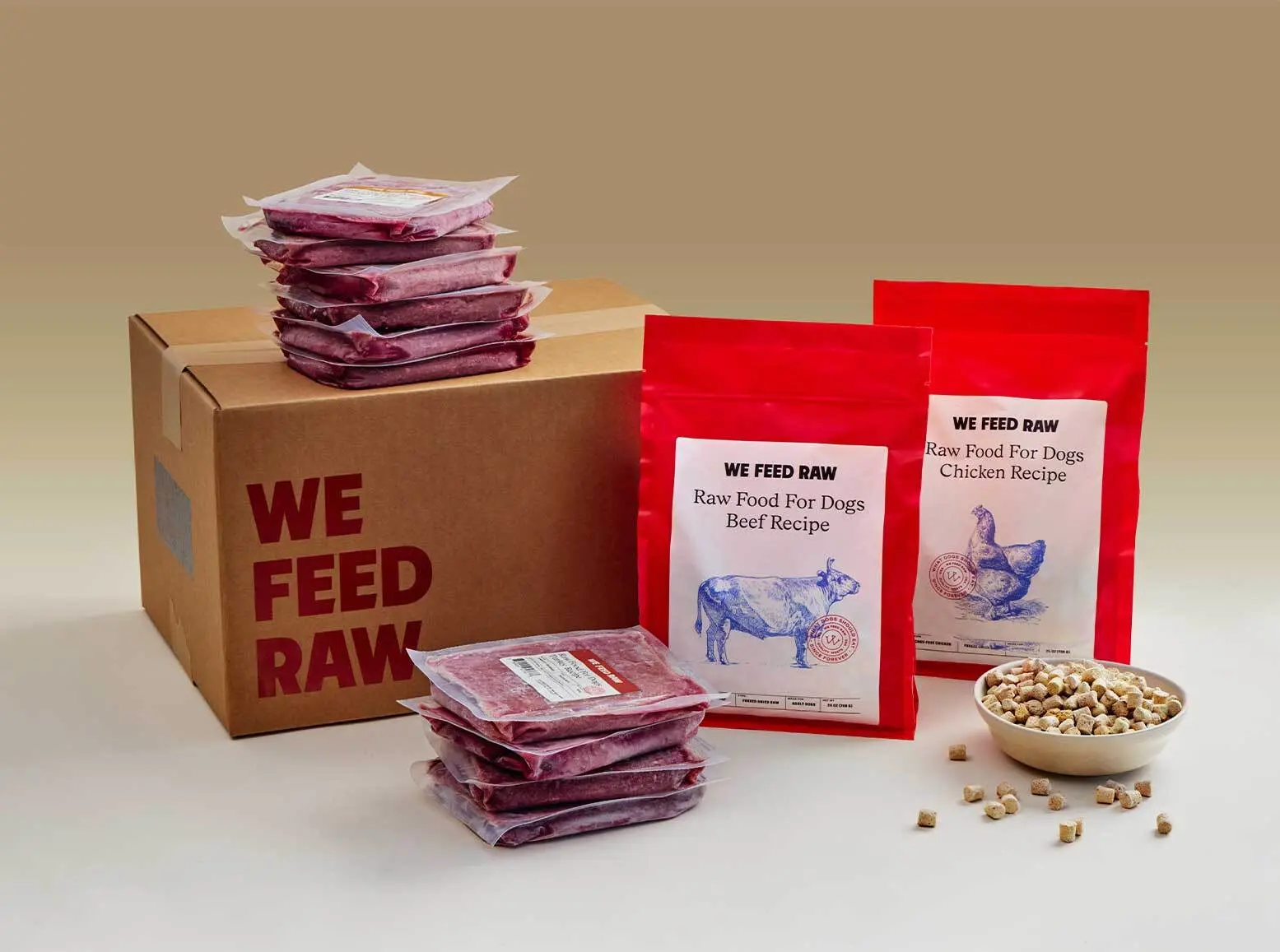
Our frozen patties feature easy-peel packaging that makes serving cleaner than ever. To ensure the best experience, always move your patties to the refrigerator for a full 24 hours to thaw.
This slow, temperature-controlled thaw prevents the rapid growth of any environmental bacteria.
Clean Surfaces and Bowls
Always wash your dog's bowl and any surfaces the food touched with hot, soapy water immediately after feeding. While our HPP process ensures our food starts out safe, environmental bacteria can still thrive on leftover food particles if they are left out at room temperature.
Consider Freeze-Dried for Convenience
If you travel frequently or are uncomfortable handling thawed raw meat, our freeze-dried raw line is an excellent alternative for adult dogs.
These recipes are also cold pasteurized for safety but are shelf-stable and require no thawing. This provides the ultimate level of convenience and safety for busy pet parents.
Choosing Confidence Over Fear
The fear of raw food recalls shouldn't stop you from giving your dog the best possible nutrition. By understanding why raw dog food gets recalled and learning how to avoid unsafe raw diets, you can feel confident in your choice to feed raw.
At We Feed Raw, we provide a product that is safe, simple, and scientifically balanced. Our goal is to empower you to provide your dog with a lifetime of health without the stress of safety concerns.
Ready to experience the safest raw food on the market? Take our quiz today to build a personalized meal plan for your pup.
Frequently Asked Questions (FAQs)
Does all raw dog food get recalled eventually?
No. Recalls are typically the result of a company lacking a validated safety step or having poor manufacturing hygiene. We Feed Raw has never had a recall because we use high-pressure processing (HPP) to inactivate pathogens before the food ever leaves our facility.
Can HPP change the nutrition of the food?
Not at all. High-pressure processing is a non-thermal process. It uses water pressure rather than heat. This means the vital enzymes, vitamins, and minerals remain 100% raw and intact, but the harmful bacteria are neutralized. It is the best of both worlds: safety and nutrition.
Is raw food safe for households with children?
When you choose a brand that uses cold-pressure pasteurized technology, the food is as safe as gently cooked meat. However, you should still follow basic hygiene practices, such as washing your hands and your dog's bowl after every meal, to maintain a clean environment.
How can I tell if a raw diet is unsafe?
Always look for a "kill step" on the label or the company's website. If a brand only relies on freezing or sourcing, the risk of pathogens is much higher.
You should also check for a statement that the food was formulated by a qualified professional, such as a PhD animal nutritionist.
How do I serve We Feed Raw frozen patties safely?
Our frozen patties are designed for ease and safety. Thanks to our easy-peel packaging, you don't need to touch the raw meat directly. Just ensure the patties have thawed in the refrigerator for 24 hours, then peel back the film and serve.
Our Meals Change Lives.
(Theirs + Yours.)
See health improvements from our raw meals in as little as 1 week.


